<?xml version="1.0" encoding="UTF-8"?>
<rss version="2.0"
	xmlns:content="http://purl.org/rss/1.0/modules/content/"
	xmlns:wfw="http://wellformedweb.org/CommentAPI/"
	xmlns:dc="http://purl.org/dc/elements/1.1/"
	xmlns:atom="http://www.w3.org/2005/Atom"
	xmlns:sy="http://purl.org/rss/1.0/modules/syndication/"
	xmlns:slash="http://purl.org/rss/1.0/modules/slash/"
	>

<channel>
	<title>LandReport.com &#187; USFS</title>
	<atom:link href="http://www.landreport.com/tag/usfs/feed/" rel="self" type="application/rss+xml" />
	<link>http://www.landreport.com</link>
	<description>The Magazine of the American Landowner</description>
	<lastBuildDate>Tue, 07 Feb 2012 12:00:58 +0000</lastBuildDate>
	<language>en</language>
	<sy:updatePeriod>hourly</sy:updatePeriod>
	<sy:updateFrequency>1</sy:updateFrequency>
	<generator>http://wordpress.org/?v=3.3</generator>
		<item>
		<title>Ask the Expert: Chip Lenihan</title>
		<link>http://www.landreport.com/2011/07/ask-the-expert-chip-lenihan/</link>
		<comments>http://www.landreport.com/2011/07/ask-the-expert-chip-lenihan/#comments</comments>
		<pubDate>Thu, 21 Jul 2011 16:06:56 +0000</pubDate>
		<dc:creator>Eric OKeefe</dc:creator>
				<category><![CDATA[2011 Summer]]></category>
		<category><![CDATA[Eric OKeefe]]></category>
		<category><![CDATA[Feature]]></category>
		<category><![CDATA[Public Land]]></category>
		<category><![CDATA[Recreation]]></category>
		<category><![CDATA[Residential Property]]></category>
		<category><![CDATA[Water]]></category>
		<category><![CDATA[West]]></category>
		<category><![CDATA[BLM]]></category>
		<category><![CDATA[Chip Lenihan]]></category>
		<category><![CDATA[Colorado]]></category>
		<category><![CDATA[Fay Ranches]]></category>
		<category><![CDATA[San Miguel County]]></category>
		<category><![CDATA[Telluride]]></category>
		<category><![CDATA[USFS]]></category>

		<guid isPermaLink="false">http://www.landreport.com/?p=4368</guid>
		<description><![CDATA[2011 Market Update: Chip Lenihan has been fly-fishing Colorado’s best waters for 40 years. His side gig? Running the Telluride office of Fay Ranches as lead broker. The Land Report turned to this former mayor of Telluride for an update on today’s recreational properties market. Describe today’s market in one word. Value. How is that manifested? Buyers [...]
Related posts:<ol>
<li><a href='http://www.landreport.com/2011/03/for-sale-colorados-dallenbach-ranch/' rel='bookmark' title='For Sale: Colorado&#8217;s Dallenbach Ranch'>For Sale: Colorado&#8217;s Dallenbach Ranch</a><small>Spring 2011 Pricing Update: Colorado&#8217;s 130-acre Dallenbach Ranch now offered...</small></li>
<li><a href='http://www.landreport.com/2011/03/vistas-montanas-engwis-ranch/' rel='bookmark' title='For Sale: Montana&#8217;s Engwis Ranch'>For Sale: Montana&#8217;s Engwis Ranch</a><small>Three and a half miles of the Yellowstone River course...</small></li>
<li><a href='http://www.landreport.com/2011/05/for-sale-vermonts-teal-farm/' rel='bookmark' title='For Sale: Vermont&#8217;s Teal Farm'>For Sale: Vermont&#8217;s Teal Farm</a><small>Set at the western base of Camels Hump State Park,...</small></li>
<li><a href='http://www.landreport.com/2011/07/land-report-july-2011-newsletter/' rel='bookmark' title='Land Report July 2011 Newsletter'>Land Report July 2011 Newsletter</a><small>There&#8217;s a lot of ground to cover in the July...</small></li>
</ol>]]></description>
			<content:encoded><![CDATA[<p><a href="http://www.landreport.com/2011/07/ask-the-expert-chip-lenihan/"><img class="aligncenter size-full wp-image-2751" title="Chip Lenihan" src="http://www.landreport.com/wp-content/uploads/2011/07/expertfishing2.jpg" alt="Chip Lenihan" width="588" height="325" /></a></p>
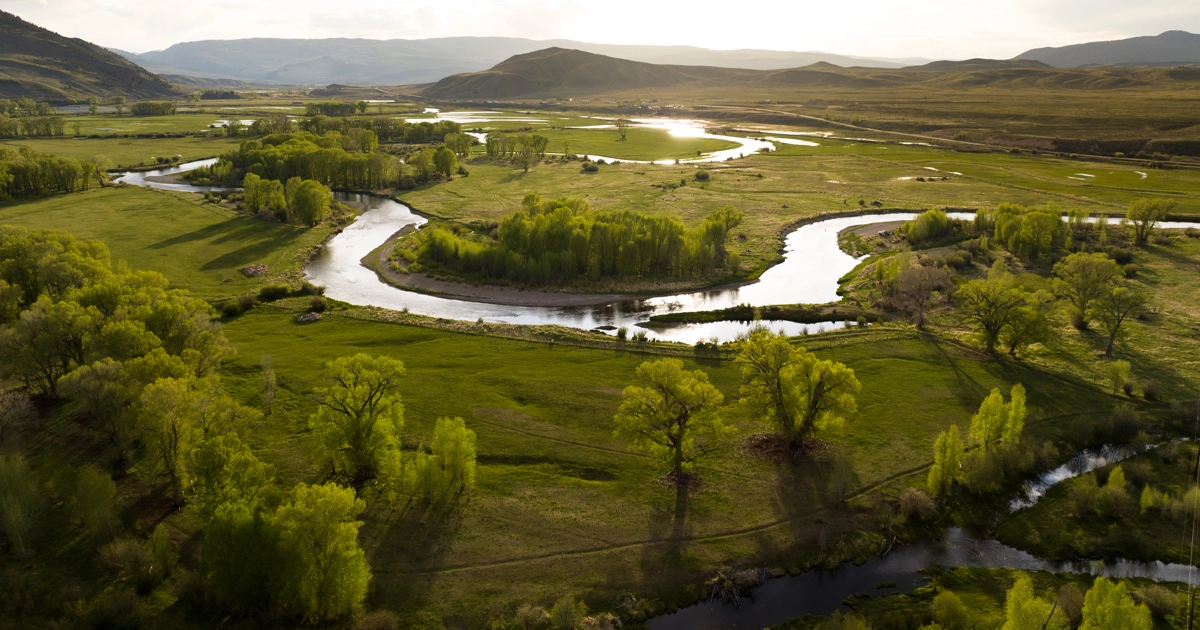
<p>2011 Market Update: Chip Lenihan has been fly-fishing Colorado’s best waters for 40 years. His side gig? Running the Telluride office of Fay Ranches as lead broker. The Land Report turned to this former mayor of Telluride for an update on today’s recreational properties market.</p>
<p><a href="http://www.landreport.com/wp-content/uploads/2011/07/LR-CO510_H1H8591_rev.jpg"><img src="http://www.landreport.com/wp-content/uploads/2011/07/LR-CO510_H1H8591_rev-300x300.jpg" alt="" title="Chip Lenihan" width="300" height="300" class="alignleft size-medium wp-image-4378" /></a><strong>Describe today’s market in one word.</strong><br />
Value.</p>
<p><strong>How is that manifested?</strong><br />
Buyers are willing to sit back and wait until they get real value for their money<strong>.</strong></p>
<p><strong>Who’s driving today’s market?</strong><br />
The biggest part of my business is families. Men tend to drive the decision-making on hunting properties and ag land, and women trend more in the direction of resort sales, ones that are closer in to town and that feature more amenities. But come rain or shine it’s families who are looking to enjoy the sort of lifestyle you can only find out in the great wide open.</p>
<p><strong>What&#8217;s been the biggest surprise of 2011?</strong><br />
The number of investors parking their money in land. The capital is out there. But after what happened in 2008, no one is in a hurry to put it in traditional markets.</p>
<p><strong>Elaborate.</strong><br />
Five years ago, land was a hot commodity. Everybody wanted to get on board before the train left the station. And that brought a lot of buyers with short-term horizons into our market. Today, investors recognize the value inherent in current markets. A good number of them are looking at land as a smart buy, one with proven returns, long range stability, plus big upside from a personal standpoint.</p>
<p><a href="http://www.landreport.com/wp-content/uploads/2011/07/LR-CO510_H1H8624.jpg"><img src="http://www.landreport.com/wp-content/uploads/2011/07/LR-CO510_H1H8624-200x300.jpg" alt="" title="Chip Lenihan" width="200" height="300" class="alignright size-medium wp-image-4381" /></a><strong>Public land. Do buyers want to border national forest or BLM, or should they steer clear?</strong><br />
Great question. if you’re scouting a potential property and it borders public land, it’s absolutely essential to determine how intensely it’s used. Are you up against an unused corner of a national forest? Great. That will add a 10% to 20% premium to the value of your property. Does a hunting outfitter operate a base camp right across your fence line that’s going to bring in 25 guns for deer and elk season? Might not be your cup of tea.</p>
<p>Related posts:<ol>
<li><a href='http://www.landreport.com/2011/03/for-sale-colorados-dallenbach-ranch/' rel='bookmark' title='For Sale: Colorado&#8217;s Dallenbach Ranch'>For Sale: Colorado&#8217;s Dallenbach Ranch</a><small>Spring 2011 Pricing Update: Colorado&#8217;s 130-acre Dallenbach Ranch now offered...</small></li>
<li><a href='http://www.landreport.com/2011/03/vistas-montanas-engwis-ranch/' rel='bookmark' title='For Sale: Montana&#8217;s Engwis Ranch'>For Sale: Montana&#8217;s Engwis Ranch</a><small>Three and a half miles of the Yellowstone River course...</small></li>
<li><a href='http://www.landreport.com/2011/05/for-sale-vermonts-teal-farm/' rel='bookmark' title='For Sale: Vermont&#8217;s Teal Farm'>For Sale: Vermont&#8217;s Teal Farm</a><small>Set at the western base of Camels Hump State Park,...</small></li>
<li><a href='http://www.landreport.com/2011/07/land-report-july-2011-newsletter/' rel='bookmark' title='Land Report July 2011 Newsletter'>Land Report July 2011 Newsletter</a><small>There&#8217;s a lot of ground to cover in the July...</small></li>
</ol></p>]]></content:encoded>
			<wfw:commentRss>http://www.landreport.com/2011/07/ask-the-expert-chip-lenihan/feed/</wfw:commentRss>
		<slash:comments>0</slash:comments>
		</item>
		<item>
		<title>Western Massachusetts to Become National Forest?</title>
		<link>http://www.landreport.com/2009/06/western-massachusetts-to-become-national-forest/</link>
		<comments>http://www.landreport.com/2009/06/western-massachusetts-to-become-national-forest/#comments</comments>
		<pubDate>Wed, 17 Jun 2009 07:00:22 +0000</pubDate>
		<dc:creator>Eric OKeefe</dc:creator>
				<category><![CDATA[Conservation]]></category>
		<category><![CDATA[Eric OKeefe]]></category>
		<category><![CDATA[Feature]]></category>
		<category><![CDATA[Federal Policy]]></category>
		<category><![CDATA[Field Reporters]]></category>
		<category><![CDATA[Hunting]]></category>
		<category><![CDATA[Northeast]]></category>
		<category><![CDATA[Public Land]]></category>
		<category><![CDATA[Regional News]]></category>
		<category><![CDATA[Topics]]></category>
		<category><![CDATA[Berkshires]]></category>
		<category><![CDATA[conservation easements]]></category>
		<category><![CDATA[Eric O'Keefe]]></category>
		<category><![CDATA[Green Mountain National Forest]]></category>
		<category><![CDATA[Lisa Capone]]></category>
		<category><![CDATA[Mitt Romney]]></category>
		<category><![CDATA[national forest]]></category>
		<category><![CDATA[USFS]]></category>

		<guid isPermaLink="false">http://www.landreport.com/?p=1860</guid>
		<description><![CDATA[Former Governor Mitt Romney&#8217;s proposal to designate the Berkshires and all of Western Massachusetts as national forest is being considered once again. Massachusetts is one of just six states without national forest designation, a situation the Romney administration sought to counter in 2003. A key aspect of the proposal being considered is that the federal [...]
No related posts.]]></description>
			<content:encoded><![CDATA[<p><a href="http://www.landreport.com/2009/06/western-massachusetts-to-become-national-forest/"><img class="alignnone size-full wp-image-1875" title="minn_forest588" src="http://www.landreport.com/wp-content/uploads/2009/06/minn_forest588.jpg" alt="minn_forest588" width="588" height="325" /></a></p>
<p>Former Governor Mitt Romney&#8217;s proposal to designate the Berkshires and all of Western Massachusetts as national forest is being considered once again. Massachusetts is one of just six states without national forest designation, a situation the Romney administration sought to counter in 2003.</p>
<p>A key aspect of the proposal being considered is that the federal government would not acquire any private land. Instead, it would seek easements from local property owners to restrict development and thus allow the land to remain on tax rolls.</p>
<p>The proposed Massachusetts model, which is being called a &#8220;family-forest based&#8221; designation, is being pitched as a partnership between private landowners, the state, and the federal government.</p>
<p>&#8220;&#8221;Landowners would retain the rights to own the lands, but sell their right to develop it,&#8221; said Lisa Capone of the state&#8217;s Executive Office of Energy and Environmental Affairs. &#8220;The land also remains a working forest, with some level of access to outdoor recreation and protection from commercial development. Massachusetts would be the first state to have the land-easement concept.&#8221;</p>
<p>No related posts.</p>]]></content:encoded>
			<wfw:commentRss>http://www.landreport.com/2009/06/western-massachusetts-to-become-national-forest/feed/</wfw:commentRss>
		<slash:comments>0</slash:comments>
		</item>
		<item>
		<title>Forest Service Paving the Way for Plum Creek?</title>
		<link>http://www.landreport.com/2009/01/forest-service-to-pave-the-way-for-plum-creek/</link>
		<comments>http://www.landreport.com/2009/01/forest-service-to-pave-the-way-for-plum-creek/#comments</comments>
		<pubDate>Thu, 01 Jan 2009 19:00:51 +0000</pubDate>
		<dc:creator>Eric OKeefe</dc:creator>
				<category><![CDATA[Eric OKeefe]]></category>
		<category><![CDATA[Feature]]></category>
		<category><![CDATA[Federal Policy]]></category>
		<category><![CDATA[Field Reporters]]></category>
		<category><![CDATA[Regional News]]></category>
		<category><![CDATA[Residential Property]]></category>
		<category><![CDATA[Timber]]></category>
		<category><![CDATA[Topics]]></category>
		<category><![CDATA[West]]></category>
		<category><![CDATA[Eric O'Keefe]]></category>
		<category><![CDATA[Forest Service]]></category>
		<category><![CDATA[Mark Rey]]></category>
		<category><![CDATA[PCL]]></category>
		<category><![CDATA[Plum Creek]]></category>
		<category><![CDATA[USFS]]></category>

		<guid isPermaLink="false">http://www.landreport.com/?p=872</guid>
		<description><![CDATA[The nation&#8217;s largest landowner may be getting a last-minute, going-away gift from the Bush Administration. The Forest Service may amend existing easements, a step that would allow Plum Creek Timber (NYSE:PCL) to pave roads through USFS land.  Such a move would facilitate an important first step for the giant timber REIT as it converts forested acreage to residential [...]
No related posts.]]></description>
			<content:encoded><![CDATA[<p><a href="http://www.landreport.com/2009/01/forest-service-to-pave-the-way-for-plum-creek/"><img class="alignnone size-medium wp-image-682" title="plum-creek-logo" src="http://www.landreport.com/wp-content/uploads/2008/12/plum-creek-logo-300x162.jpg" alt="plum-creek-logo" width="300" height="162" /></a></p>
<p>The nation&#8217;s largest landowner may be getting a last-minute, going-away gift from the Bush Administration. The Forest Service may amend existing easements, a step that would allow Plum Creek Timber (NYSE:PCL) to pave roads through USFS land.  Such a move would facilitate an important first step for the giant timber REIT as it converts forested acreage to residential developments.  Read the complete story <a href="http://www.washingtonpost.com/wp-dyn/content/article/2009/01/03/AR2009010301715_pf.html" target="_blank">here</a>.</p>
<p>No related posts.</p>]]></content:encoded>
			<wfw:commentRss>http://www.landreport.com/2009/01/forest-service-to-pave-the-way-for-plum-creek/feed/</wfw:commentRss>
		<slash:comments>0</slash:comments>
		</item>
		<item>
		<title>Resilient Montanans Rally Around Timber</title>
		<link>http://www.landreport.com/2008/12/resilient-montanans-rally-around-timber/</link>
		<comments>http://www.landreport.com/2008/12/resilient-montanans-rally-around-timber/#comments</comments>
		<pubDate>Tue, 09 Dec 2008 19:00:25 +0000</pubDate>
		<dc:creator>Eric OKeefe</dc:creator>
				<category><![CDATA[Eric OKeefe]]></category>
		<category><![CDATA[Feature]]></category>
		<category><![CDATA[Federal Policy]]></category>
		<category><![CDATA[Field Reporters]]></category>
		<category><![CDATA[Public Land]]></category>
		<category><![CDATA[Regional News]]></category>
		<category><![CDATA[Timber]]></category>
		<category><![CDATA[Topics]]></category>
		<category><![CDATA[West]]></category>
		<category><![CDATA[Forest Service]]></category>
		<category><![CDATA[Montana Department of Natural Resources and Conservation]]></category>
		<category><![CDATA[Pyramid Mountain Lumber]]></category>
		<category><![CDATA[Smurfit-Stone]]></category>
		<category><![CDATA[USFS]]></category>
		<category><![CDATA[Wood Resources International]]></category>

		<guid isPermaLink="false">http://www.landreport.com/?p=551</guid>
		<description><![CDATA[Worthwhile read in the New York Times today by Kirk Johnson for the National Desk. The focus of the article is less about timber or timberland as an investment and more about the Montana logging communities whose lifeblood has been altered by forces far from home, including the mortgage meltodown, climate change, and the drop in demand [...]
No related posts.]]></description>
			<content:encoded><![CDATA[<p><a href="http://www.landreport.com/wp-content/uploads/2008/12/cut-timber-web.jpg"><a href="http://www.landreport.com/2008/12/resilient-montanans-rally-around-timber/"><img class="alignnone size-medium wp-image-550" style="border: 1px solid black;" title="cut-timber-web" src="http://www.landreport.com/wp-content/uploads/2008/12/cut-timber-web-300x200.jpg" alt="" width="290" height="200" /></a></a>Worthwhile read in the New York Times today by Kirk Johnson for the National Desk. The focus of the article is less about timber or timberland as an investment and more about the Montana logging communities whose lifeblood has been altered by forces far from home, including the mortgage meltodown, climate change, and the drop in demand for &#8230; wood chips.<span id="more-551"></span></p>
<p>Since 2005, almost 20 percent of Montana&#8217;s lumber-mill jobs have been lost. Since then a coalition has banded together to sustain what&#8217;s left of Montana&#8217;s timber industry: state officials, business leaders, and environmentalists. It is this alliance, along with the state&#8217;s Congressional delegation, that is pushing for a timber component in the Obama Administration&#8217;s much anticipated stimulus package.</p>
<p>Read the complete article <a href="http://www.nytimes.com/2008/12/09/us/09timber.html?pagewanted=print" target="_blank">here</a>.</p>
<p>No related posts.</p>]]></content:encoded>
			<wfw:commentRss>http://www.landreport.com/2008/12/resilient-montanans-rally-around-timber/feed/</wfw:commentRss>
		<slash:comments>0</slash:comments>
		</item>
		<item>
		<title>Interior Department to Allow Firearms in Parks and Refuges</title>
		<link>http://www.landreport.com/2008/12/interior-department-allows-firearms-in-parks-and-refuges/</link>
		<comments>http://www.landreport.com/2008/12/interior-department-allows-firearms-in-parks-and-refuges/#comments</comments>
		<pubDate>Sun, 07 Dec 2008 20:10:54 +0000</pubDate>
		<dc:creator>Eric OKeefe</dc:creator>
				<category><![CDATA[Eric OKeefe]]></category>
		<category><![CDATA[Feature]]></category>
		<category><![CDATA[Federal Policy]]></category>
		<category><![CDATA[Field Reporters]]></category>
		<category><![CDATA[Public Land]]></category>
		<category><![CDATA[Recreation]]></category>
		<category><![CDATA[Topics]]></category>
		<category><![CDATA[BLM]]></category>
		<category><![CDATA[Bureau of Land Management]]></category>
		<category><![CDATA[Bush Administration]]></category>
		<category><![CDATA[firearms]]></category>
		<category><![CDATA[Interior Department]]></category>
		<category><![CDATA[National Park Service]]></category>
		<category><![CDATA[NPS]]></category>
		<category><![CDATA[U.S. Forest Service]]></category>
		<category><![CDATA[USFS]]></category>

		<guid isPermaLink="false">http://www.landreport.com/?p=507</guid>
		<description><![CDATA[On Friday the Interior Department ruled that Americans will be able to carry concealed weapons in some federal parks and wildlife refuges. The announcement overturns a decades-old Reagan Administration regulation that required all guns brought into national parks and wildlife refuges be unloaded and kept in an out-of-the-way place such as the trunk of the [...]
No related posts.]]></description>
			<content:encoded><![CDATA[<p><a href="http://www.landreport.com/wp-content/uploads/2008/12/yosemite-valley-web.jpg"></a></p>
<p><a href="http://www.landreport.com/wp-content/uploads/2008/12/yosemite-valley-web.jpg"><a href="http://www.landreport.com/2008/12/interior-department-allows-firearms-in-parks-and-refuges/"><img class="alignnone size-medium wp-image-521" title="yosemite-valley-web" src="http://www.landreport.com/wp-content/uploads/2008/12/yosemite-valley-web-300x291.jpg" alt="" width="300" height="291" /></a></a>On Friday the Interior Department ruled that Americans will be able to carry concealed weapons in some federal parks and wildlife refuges. The announcement overturns a decades-old Reagan Administration regulation that required all guns brought into national parks and wildlife refuges be unloaded and kept in an out-of-the-way place such as the trunk of the car.</p>
<p><span id="more-507"></span>The new regulation does, however, comes with caveats. </p>
<p><em>The final rule, which updates existing regulations, would allow an individual to carry a concealed weapon in national parks and wildlife refuges if, and only if, the individual is authorized to carry a concealed weapon under state law in the state in which the national park or refuge is located.</em></p>
<p>According to Assistant Secretary of the Interior for Fish and Wildlife and Parks Lyle Laverty, the regulation allows individuals to carry concealed firearms in federal parks and wildlife refuges to the same extent they can lawfully do so under state law.</p>
<p>“America was founded on the idea that the federal and state governments work together to serve the public and preserve our natural resources,” Laverty said. “The Department’s final regulation respects this tradition by allowing individuals to carry concealed firearms in federal park units and refuges to the extent that they could lawfully do so under state law. This is the same basic approach adopted by the Bureau of Land Management (BLM) and the United States Forest Service (USFS), both of which allow visitors to carry weapons consistent with applicable federal and state laws.”</p>
<p>This week the rule will be published in the Federal Register. It will take effect 30 days later.</p>
<p>Here is the <a href="http://www.doi.gov/news/08_News_Releases/120508.html" target="_blank">complete text </a>of the announcement from the Office of the Secretary of the Interior Department.</p>
<p>No related posts.</p>]]></content:encoded>
			<wfw:commentRss>http://www.landreport.com/2008/12/interior-department-allows-firearms-in-parks-and-refuges/feed/</wfw:commentRss>
		<slash:comments>0</slash:comments>
		</item>
		<item>
		<title>Potential for Massive Wildfires Next Summer in the West</title>
		<link>http://www.landreport.com/2008/11/potential-for-massive-wildfires-next-summer/</link>
		<comments>http://www.landreport.com/2008/11/potential-for-massive-wildfires-next-summer/#comments</comments>
		<pubDate>Fri, 21 Nov 2008 12:00:44 +0000</pubDate>
		<dc:creator>Eric OKeefe</dc:creator>
				<category><![CDATA[Conservation]]></category>
		<category><![CDATA[Eric OKeefe]]></category>
		<category><![CDATA[Feature]]></category>
		<category><![CDATA[Field Reporters]]></category>
		<category><![CDATA[Public Land]]></category>
		<category><![CDATA[Recreation]]></category>
		<category><![CDATA[Regional News]]></category>
		<category><![CDATA[Timber]]></category>
		<category><![CDATA[Topics]]></category>
		<category><![CDATA[West]]></category>
		<category><![CDATA[bark beetle]]></category>
		<category><![CDATA[beetle kill]]></category>
		<category><![CDATA[forest fires]]></category>
		<category><![CDATA[Forest Service]]></category>
		<category><![CDATA[Jim Robbins]]></category>
		<category><![CDATA[The New York Times]]></category>
		<category><![CDATA[USFS]]></category>
		<category><![CDATA[wildfires]]></category>

		<guid isPermaLink="false">http://www.landreport.com/?p=383</guid>
		<description><![CDATA[The great plague that is the pine beetle infestation has now destroyed millions of acres of timber across the western U.S. and into Canada. The extent of this calamity is so enormous that last month we covered the devastation at this website. This week Jim Robbins at The New York Times picked up the storyline [...]
No related posts.]]></description>
			<content:encoded><![CDATA[<p><a href="http://www.landreport.com/wp-content/uploads/2008/11/wildfire.jpg"><a href="http://www.landreport.com/2008/11/potential-for-massive-wildfires-next-summer/"><img class="alignnone size-medium wp-image-384" title="wildfire" src="http://www.landreport.com/wp-content/uploads/2008/11/wildfire.jpg" alt="" width="290" height="200" /></a></a></p>
<p>The great plague that is the pine beetle infestation has now destroyed millions of acres of timber across the western U.S. and into Canada. The extent of this calamity is so enormous that last month we covered the devastation at this <a href="http://www.landreport.com/2008/10/the-great-plague-returns/" target="_blank">website</a>. This week Jim Robbins at The New York Times picked up the storyline and filed his own excellent <a href="http://www.landreport.com/2008/10/the-great-plague-returns/" target="_blank">report</a> about the disappearing forest. Here are some of his key observations:<span id="more-383"></span></p>
<p>Montana has lost 1 million acres, but it&#8217;s worse in Wyoming and Colorado. Those two states have lost 1½ million acres with an additional 500,000 expected this year. In the next three to five years, &#8220;virtually all of Colorado&#8217;s lodgepole pine trees &#8230; will be lost, about five million acres,&#8221; writes Robbins. The hardest hit area? The Canadian province of British Columbia, which has lost 33 million acres of lodgepole pine forest so far.</p>
<p>What&#8217;s behind this epidemic? Fire suppression is one cause. Most trees are the same age and are exactly the right size to be susceptible to the beetles. Sustained drought conditions are another factor. So too are the milder winters.</p>
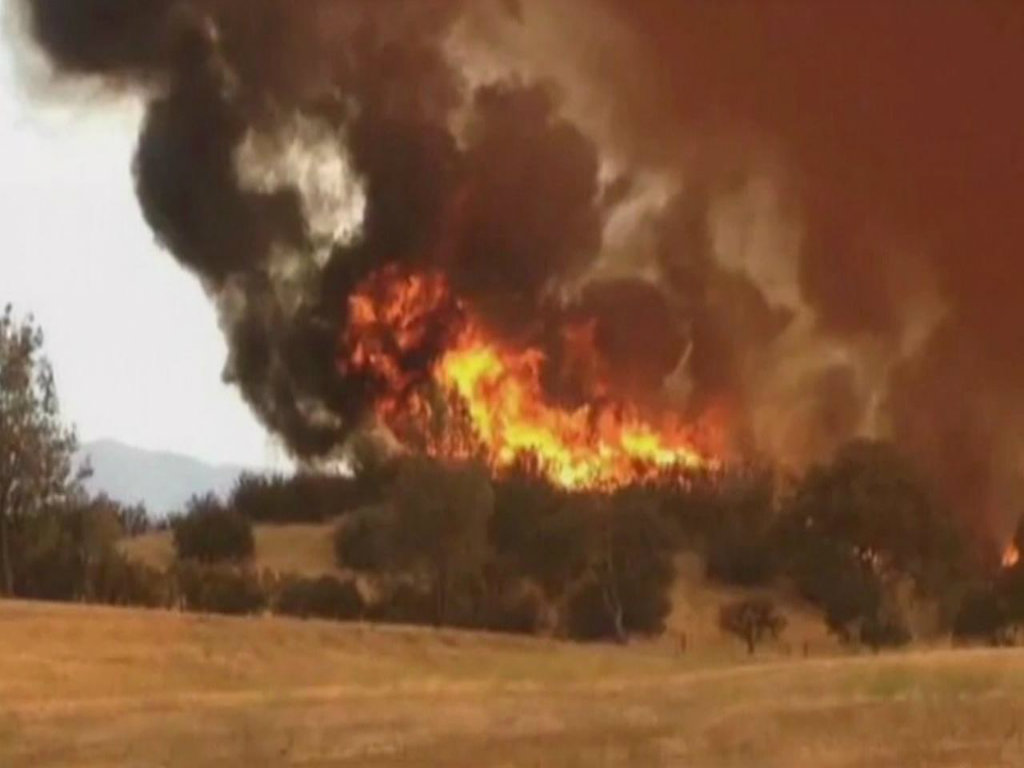
<p>What&#8217;s next? Unless next summer is unseasonably wet, brace yourself for the sort of wildfires and level of destruction not seen since the great Yellowstone fire of 1988. The Forest Service already has. USFS has installed an incident management team in Laramie, Wyo.</p>
<p>No related posts.</p>]]></content:encoded>
			<wfw:commentRss>http://www.landreport.com/2008/11/potential-for-massive-wildfires-next-summer/feed/</wfw:commentRss>
		<slash:comments>0</slash:comments>
		</item>
		<item>
		<title>BLM Makes Push to Buy Western Land</title>
		<link>http://www.landreport.com/2007/11/bureau-of-land-management-makes-push-to-buy-western-land/</link>
		<comments>http://www.landreport.com/2007/11/bureau-of-land-management-makes-push-to-buy-western-land/#comments</comments>
		<pubDate>Thu, 01 Nov 2007 07:00:51 +0000</pubDate>
		<dc:creator>Joseph Guinto</dc:creator>
				<category><![CDATA[Federal Policy]]></category>
		<category><![CDATA[Field Reporters]]></category>
		<category><![CDATA[Magazine]]></category>
		<category><![CDATA[November 2007]]></category>
		<category><![CDATA[Pacific]]></category>
		<category><![CDATA[Public Land]]></category>
		<category><![CDATA[Regional News]]></category>
		<category><![CDATA[Southwest]]></category>
		<category><![CDATA[Topics]]></category>
		<category><![CDATA[West]]></category>
		<category><![CDATA[BLM]]></category>
		<category><![CDATA[Coachella Valley]]></category>
		<category><![CDATA[Interior Department]]></category>
		<category><![CDATA[Joe Guinto]]></category>
		<category><![CDATA[Joshua Tree National Park]]></category>
		<category><![CDATA[National Park Service]]></category>
		<category><![CDATA[Taylor Grazing Act]]></category>
		<category><![CDATA[USFS]]></category>

		<guid isPermaLink="false">http://www.landreport.com/?p=105</guid>
		<description><![CDATA[BY JOSEPH GUINTO PUBLISHED NOVEMBER 2007 Under a federal law, the BLM, an arm of the Department of the Interior, has begun buying private properties that carve into federal wildlife refuges, national parks, national forests, and their ilk, making those lands difficult to access or manage. Though the law—the Federal Land Transaction Facilitation Act—was passed [...]
No related posts.]]></description>
			<content:encoded><![CDATA[<p><strong>BY JOSEPH GUINTO<br />
PUBLISHED NOVEMBER 2007</strong></p>
<p>Under a federal law, the BLM, an arm of the Department of the Interior, has begun buying private properties that carve into federal wildlife refuges, national parks, national forests, and their ilk, making those lands difficult to access or manage. Though the law—the Federal Land Transaction Facilitation Act—was passed in 2000, federal agencies had not used it to make a land acquisition until this fall. In September, the BLM, working with the Forest Service, the National Park Service, and the Fish and Wildlife Service, offered $18 million to snap up 19 parcels of private land in seven states. Overall, some 9,000 acres of land were acquired in New Mexico, Idaho, Arizona, Colorado, Wyoming, Oregon, and California.</p>
<p>The last of those states provides a good example of the law’s intent. The BLM and other agencies spent $850,000 to buy 321 acres near the Coachella Valley Fringe-toed Lizard Preserve, a tongue-twisting federal wildlife refuge near Palm Springs. The preserve features both sand dunes and rocky hills and is home to the threatened fringe-toed lizard, which is found nowhere else in the world. The reason the BLM wanted the land was that it separated the preserve from the Joshua Tree National Park.</p>
<p>The equally tongue-twisting Federal Land Transaction Facilitation Act can also work the other way around. In cases where federal lands are isolated by surrounding private properties, making them of little value to the government, the BLM can offer those parcels for sale. It can also sell off lands that have clear residential or commercial worth. The BLM has made $95 million from such sales so far.</p>
<p>Most of that money is required to go to further land acquisitions, like the purchases the BLM made in September. “These purchases promote conservation while helping ensure efficient and effective public lands management,” said Lynn Scarlett, deputy secretary of the U.S. Department of the Interior, during the dedication ceremony for the Coachella Valley property.</p>
<p>And if you’re wondering: No, this is not eminent domain. The act stipulates that government agencies only buy property from willing sellers.</p>
<p>No related posts.</p>]]></content:encoded>
			<wfw:commentRss>http://www.landreport.com/2007/11/bureau-of-land-management-makes-push-to-buy-western-land/feed/</wfw:commentRss>
		<slash:comments>0</slash:comments>
		</item>
		<item>
		<title>Controversial Sale in North Dakota Badlands</title>
		<link>http://www.landreport.com/2007/10/north-dakota-badlands-sale-draws-ire-of-locals/</link>
		<comments>http://www.landreport.com/2007/10/north-dakota-badlands-sale-draws-ire-of-locals/#comments</comments>
		<pubDate>Mon, 01 Oct 2007 07:00:16 +0000</pubDate>
		<dc:creator>Joseph Guinto</dc:creator>
				<category><![CDATA[Cattle]]></category>
		<category><![CDATA[Conservation]]></category>
		<category><![CDATA[Feature]]></category>
		<category><![CDATA[Federal Policy]]></category>
		<category><![CDATA[Field Reporters]]></category>
		<category><![CDATA[Great Plains]]></category>
		<category><![CDATA[Joseph Guinto]]></category>
		<category><![CDATA[Magazine]]></category>
		<category><![CDATA[October 2007]]></category>
		<category><![CDATA[Public Land]]></category>
		<category><![CDATA[Recreation]]></category>
		<category><![CDATA[Regional News]]></category>
		<category><![CDATA[Topics]]></category>
		<category><![CDATA[Badlands]]></category>
		<category><![CDATA[Billings County]]></category>
		<category><![CDATA[Blacktail Creek Ranch]]></category>
		<category><![CDATA[Byron Dorgan]]></category>
		<category><![CDATA[Congress]]></category>
		<category><![CDATA[cradle of conservation]]></category>
		<category><![CDATA[Elkhorn Ranch]]></category>
		<category><![CDATA[Little Missouri River]]></category>
		<category><![CDATA[North Dakota]]></category>
		<category><![CDATA[Teddy Roosevelt]]></category>
		<category><![CDATA[Theodore Roosevelt]]></category>
		<category><![CDATA[U.S. Forest Service]]></category>
		<category><![CDATA[USFS]]></category>

		<guid isPermaLink="false">http://www.landreport.com/?p=134</guid>
		<description><![CDATA[BY JOSEPH GUINTO PUBLISHED OCTOBER 2007 More than 5,000 acres of federal land in North Dakota&#8217;s Badlands could go up for sale. That&#8217;s up to Congress. The property is supposed to be offered as a unique offset to a purchase made by the U.S. Forest Service. Last spring, the Forest Service ended a years-long controversy [...]
No related posts.]]></description>
			<content:encoded><![CDATA[<p><strong>BY JOSEPH GUINTO<br />
PUBLISHED OCTOBER 2007</strong></p>
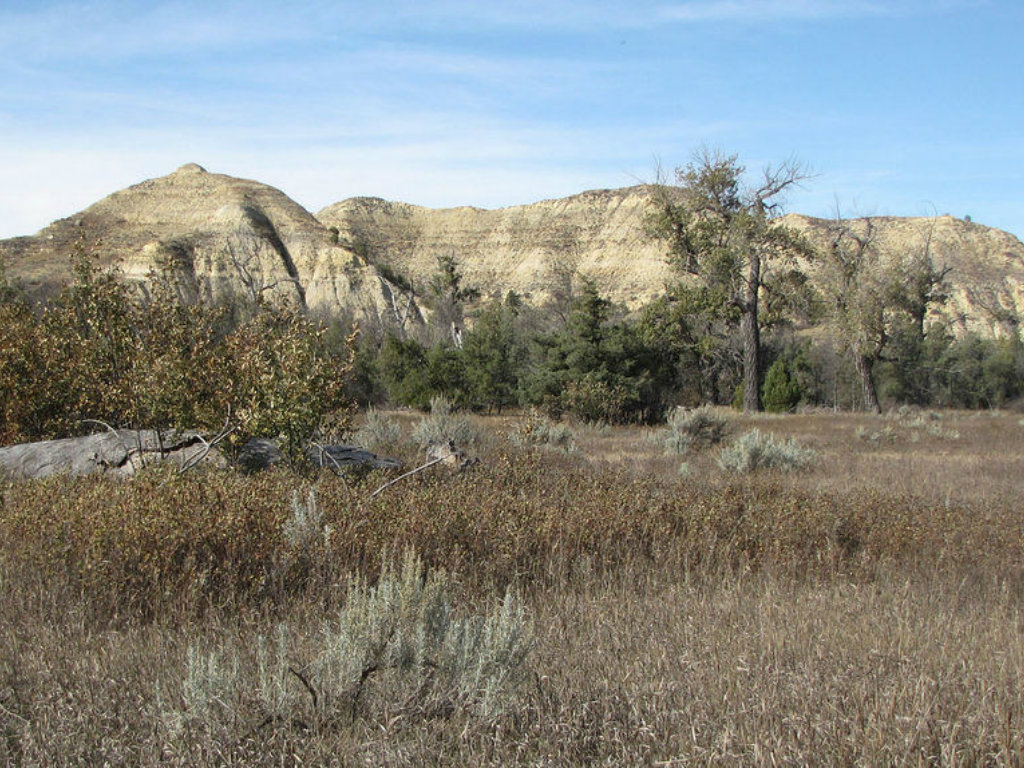
<p>More than 5,000 acres of federal land in North Dakota&#8217;s Badlands could go up for sale. That&#8217;s up to Congress. The property is supposed to be offered as a unique offset to a purchase made by the U.S. Forest Service. Last spring, the Forest Service ended a years-long controversy by spending $5.3 million on a 5,200-acre ranch across the Little Missouri River from the Elkhorn Ranch, a property once owned by Theodore Roosevelt and considered by many as the nation’s “cradle of conservation.&#8221;</p>
<p>Roosevelt retreated to the ranch in the late 1880s and emerged three and a half years later as an avowed environmentalist who would, as president, go on to add millions of acres to the government’s holdings for use as national forests, parks, and wildlife refuges. But adding to the government’s holdings was just what the Forest Service didn’t want to do when it bought the neighboring Blacktail Creek Ranch. After all, the government already owns 1.2 million acres in North Dakota. Some local ranchers and officials vehemently opposed taking a working ranch out of production just so Roosevelt&#8217;s property could continue to enjoy an unspoiled view.</p>
<p>So, in a unique compromise, the Forest Service said it would buy the Blacktail Creek Ranch and sell an equivalent amount of land it already owns in North Dakota, but that it would sell that land only to about 40 ranchers who currently own property in Billings County, where Elkhorn Ranch is located. And that’s where Congress gets involved. Or not. Sen. Byron Dorgan, D-North Dakota and a proponent of the ranch purchase, says he doesn&#8217;t support legislation with such restrictions.</p>
<p>No related posts.</p>]]></content:encoded>
			<wfw:commentRss>http://www.landreport.com/2007/10/north-dakota-badlands-sale-draws-ire-of-locals/feed/</wfw:commentRss>
		<slash:comments>0</slash:comments>
		</item>
		<item>
		<title>Bill May Force Landowners to Shoulder Firefighting Cost</title>
		<link>http://www.landreport.com/2007/09/bill-may-force-landowners-to-shoulder-firefighting-cost/</link>
		<comments>http://www.landreport.com/2007/09/bill-may-force-landowners-to-shoulder-firefighting-cost/#comments</comments>
		<pubDate>Sat, 01 Sep 2007 07:00:33 +0000</pubDate>
		<dc:creator>Joseph Guinto</dc:creator>
				<category><![CDATA[Feature]]></category>
		<category><![CDATA[Field Reporters]]></category>
		<category><![CDATA[Joseph Guinto]]></category>
		<category><![CDATA[Magazine]]></category>
		<category><![CDATA[Public Land]]></category>
		<category><![CDATA[Residential Property]]></category>
		<category><![CDATA[September 2007]]></category>
		<category><![CDATA[Topics]]></category>
		<category><![CDATA[GAO]]></category>
		<category><![CDATA[Government Accountability Office]]></category>
		<category><![CDATA[Harry Reid]]></category>
		<category><![CDATA[Mark Ray]]></category>
		<category><![CDATA[U.S. Forest Service]]></category>
		<category><![CDATA[USDA]]></category>
		<category><![CDATA[USFS]]></category>

		<guid isPermaLink="false">http://www.landreport.com/?p=78</guid>
		<description><![CDATA[When Smokey Bear says, “Only you can prevent forest fires,” he really means it. After several years of historic wildfires in the West that have strained firefighting budgets, burned thousands of acres, and destroyed homes, lawmakers in Washington and at the state and local levels are preparing to ask landowners to help combat the blazes [...]
No related posts.]]></description>
			<content:encoded><![CDATA[<p>When Smokey Bear says, “Only you can prevent forest fires,” he really means it. After several years of historic wildfires in the West that have strained firefighting budgets, burned thousands of acres, and destroyed homes, lawmakers in Washington and at the state and local levels are preparing to ask landowners to help combat the blazes before they begin. <span id="more-78"></span></p>
<p><strong>BY JOSEPH GUINTO<br />
PUBLISHED SEPTEMBER 2007</strong></p>
<p>Some will ask nicely: A bill in the Senate sponsored by Sen. Harry Reid, the Nevada Democrat who is that chamber’s majority leader, and by his Nevada Republican counterpart, Sen. John Ensign, would provide incentive payments for landowners to regularly clear the underbrush that helps fuel wildfires. Some will ask not so nicely: State and local lawmakers out West are considering boosting wildfire protection fees charged to landowners living in or near forested areas. In Washington state, legislators are addressing whether the current fee, $18 per every 50 acres, is high enough.</p>
<p>The proposed legislation is partly in response to political pressure on the U.S. Forest Service. That agency is responsible for fighting major forest fires, whether in a lead role or by providing aid to local firefighters. And that responsibility is getting more costly. In 2006, nearly 13,600 square miles of  land burned in the United States, a record amount. Fighting large wildfires, like the one that broke out near the Hollywood Hills atop Los Angeles in May, can cost as much as $1 million a day. And in this decade alone, the Forest Service’s annual firefighting budget has almost tripled. It&#8217;s expected to hit $3 billion this year.</p>
<p>The Government Accountability Office says that growth is too much, too fast. In a report to Congress earlier this year, the GAO suggested that the Forest Service was spending too much on fire suppression and not enough on prevention.</p>
<p>But officials with the U.S. Department of Agriculture, which oversees the Forest Service, say their job has been complicated by development. In particular, they say landowners whose properties are near or within forests have made fighting wildfires harder, in part because their properties can provide fuel for the fires, and have forced them to fight fires differently—focusing on protecting private properties rather than heading off fires as they creep deeper into forested areas.</p>
<p>In Congressional testimony this past June, Agriculture Undersecretary Mark Ray made this point clear, saying, “Every new subdivision presents … an inherently more expensive fire-suppression cost, if we&#8217;re going to defend that subdivision.&#8221;</p>
<p>No one is suggesting neighborhoods be abandoned, but they are suggesting that properties located deep within forests could be at risk. One budget-saving measure the Forest Service is already adopting is to let some fires in remote areas burn themselves out. This natural way of letting forests thin themselves can help prevent larger fires, but for landowners deep within forests, that’s bad news. Forest Service officials have said they will act to save lives deep in the woods, but the agency&#8217;s director of fire and aviation management told the Los Angeles Times recently that they may not act to save property there.</p>
<p>Regardless of Forest Service reforms, lawmakers seem intent on tasking landowners to do more. But if Reid’s legislation passes, they’ll get something in return. At the local level, there could be an extra benefit for landowners in forested areas near urban centers, and some local governments may relax anti-sprawl regulations to allow homes near forests to be built farther apart, allowing for wider roads that firefighting vehicles can more easily navigate. And there remains the possibility that local governments could fine landowners who don’t regularly clear certain types of brush.</p>
<p>The bottom line: The summer’s fires may be out, but the political smoke is far from clearing.</p>
<p>No related posts.</p>]]></content:encoded>
			<wfw:commentRss>http://www.landreport.com/2007/09/bill-may-force-landowners-to-shoulder-firefighting-cost/feed/</wfw:commentRss>
		<slash:comments>0</slash:comments>
		</item>
		<item>
		<title>ATV Riders Run Into Bump in Road</title>
		<link>http://www.landreport.com/2007/08/atv-riders-face-new-laws-on-public-land/</link>
		<comments>http://www.landreport.com/2007/08/atv-riders-face-new-laws-on-public-land/#comments</comments>
		<pubDate>Wed, 01 Aug 2007 07:00:23 +0000</pubDate>
		<dc:creator>Joseph Guinto</dc:creator>
				<category><![CDATA[August 2007]]></category>
		<category><![CDATA[Feature]]></category>
		<category><![CDATA[Field Reporters]]></category>
		<category><![CDATA[Joseph Guinto]]></category>
		<category><![CDATA[Magazine]]></category>
		<category><![CDATA[Public Land]]></category>
		<category><![CDATA[Recreation]]></category>
		<category><![CDATA[Topics]]></category>
		<category><![CDATA[ATV]]></category>
		<category><![CDATA[National Park Service]]></category>
		<category><![CDATA[PEER]]></category>
		<category><![CDATA[Public Employees for Environmental Responsibility]]></category>
		<category><![CDATA[U.S. Forest Service]]></category>
		<category><![CDATA[USFS]]></category>

		<guid isPermaLink="false">http://www.landreport.com/?p=82</guid>
		<description><![CDATA[Whether you&#8217;re tearing it up in an off-road vehicle or all torn up about their impact on the land, you&#8217;ll probably want to know about the tongue-twisting new advocacy group known as Rangers for Responsible Recreation. The group, backed by Washington, D.C.-based lobbying outfit Public Employees for Environmental Responsibility (PEER), may be the most influential [...]
No related posts.]]></description>
			<content:encoded><![CDATA[<p>Whether you&#8217;re tearing it up in an off-road vehicle or all torn up about their impact on the land, you&#8217;ll probably want to know about the tongue-twisting new advocacy group known as Rangers for Responsible Recreation. The group, backed by Washington, D.C.-based lobbying outfit Public Employees for Environmental Responsibility (PEER), may be the most influential so far to push for broader regulations on off-roaders riding on public lands. And their efforts could have a spillover effect on private properties.<span id="more-82"></span></p>
<p><strong>BY JOSEPH GUINTO<br />
PUBLISHED AUGUST 2007</strong></p>
<p>This summer, the group, which consists of former National Park Service rangers and former officials from the U.S. Forest Service and Bureau of Land Management, asked Congress to investigate the financial impact on public lands of damages caused by off-road vehicles. The group also suggested that off-roaders who divert from designated trails be subject to having their hunting and fishing licenses suspended and their vehicles confiscated.<br />
 <br />
Although their concerns are not new, the influence they wield may be. Off-road vehicles have been causing concerns for years, as suburban and ex-urban neighborhoods push into formerly open lands, forcing off-roaders to increasingly turn to the wide-open spaces of public lands and rural, private properties. But many public lands are not equipped to handle the vehicles-trails are poorly marked, if marked at all, and not enough rangers are on hand to guide riders to proper riding places.</p>
<p>That&#8217;s where PEER and Rangers for Responsible Recreation want Congress to come in. Calling &#8220;reckless&#8221; off-roading the &#8220;single greatest threat to American landscapes,&#8221; they&#8217;re hoping to convince lawmakers to account for the damage being done by off-road vehicles to sensitive ecosystems in hopes that it will push Congress to boost funding for protecting public properties.</p>
<p>Off-road riding advocacy groups bemoan PEER&#8217;s condemnation of off-roaders but support better trail development and efforts at rider education.  </p>
<p>Congress may already be listening to both sides. The House and Senate have passed funding increases for the U.S. Forest Service&#8217;s Trails and Recreation budgets for fiscal year 2008. That&#8217;s a key line item. Trails and Recreation are where the Forest Service is getting the money to pay for development of a comprehensive trail system for off-roaders to use. That project, launched in 2005, is to be completed by 2009. It would not only pave proper trails but more clearly mark them as well. This past summer, the House upped the Trails budget by $4.6 million from fiscal 2006. The Senate approved a lesser increase of $2 million. The sides are expected to come together on a compromise increase this fall.</p>
<p>In the meantime, PEER and its group of concerned rangers will keep pushing for more out of Capitol Hill.</p>
<p>No related posts.</p>]]></content:encoded>
			<wfw:commentRss>http://www.landreport.com/2007/08/atv-riders-face-new-laws-on-public-land/feed/</wfw:commentRss>
		<slash:comments>0</slash:comments>
		</item>
	</channel>
</rss>