<?xml version="1.0" encoding="UTF-8"?>
<rss version="2.0"
	xmlns:content="http://purl.org/rss/1.0/modules/content/"
	xmlns:wfw="http://wellformedweb.org/CommentAPI/"
	xmlns:dc="http://purl.org/dc/elements/1.1/"
	xmlns:atom="http://www.w3.org/2005/Atom"
	xmlns:sy="http://purl.org/rss/1.0/modules/syndication/"
	xmlns:slash="http://purl.org/rss/1.0/modules/slash/"
	>

<channel>
	<title>LandReport.com &#187; ethanol</title>
	<atom:link href="http://www.landreport.com/tag/ethanol/feed/" rel="self" type="application/rss+xml" />
	<link>http://www.landreport.com</link>
	<description>The Magazine of the American Landowner</description>
	<lastBuildDate>Tue, 07 Feb 2012 12:00:58 +0000</lastBuildDate>
	<language>en</language>
	<sy:updatePeriod>hourly</sy:updatePeriod>
	<sy:updateFrequency>1</sy:updateFrequency>
	<generator>http://wordpress.org/?v=3.3</generator>
		<item>
		<title>Farmland: Eye on Iowa</title>
		<link>http://www.landreport.com/2011/04/farmland-eye-on-iowa/</link>
		<comments>http://www.landreport.com/2011/04/farmland-eye-on-iowa/#comments</comments>
		<pubDate>Mon, 18 Apr 2011 07:00:30 +0000</pubDate>
		<dc:creator>Land Report Editors</dc:creator>
				<category><![CDATA[2011 Spring]]></category>
		<category><![CDATA[Feature]]></category>
		<category><![CDATA[Field Reporters]]></category>
		<category><![CDATA[Magazine]]></category>
		<category><![CDATA[CNBC]]></category>
		<category><![CDATA[corn]]></category>
		<category><![CDATA[ethanol]]></category>
		<category><![CDATA[farm prices]]></category>
		<category><![CDATA[farmland values]]></category>
		<category><![CDATA[Iowa land]]></category>
		<category><![CDATA[S&P 500]]></category>
		<category><![CDATA[Squawk Box]]></category>
		<category><![CDATA[Warren Buffett]]></category>

		<guid isPermaLink="false">http://www.landreport.com/?p=3819</guid>
		<description><![CDATA[When Warren Buffett talks up farmland, it’s time we all took a look. Buffett made the following statement last month while being interviewed by Becky Quick on CNBC&#8217;s Squawk Box. &#8220;If you took all the gold in the world, it would make a 67-foot cube. It would be worth about $7 trillion, about a third [...]
Related posts:<ol>
<li><a href='http://www.landreport.com/2011/02/indiana-farmland-skyrockets/' rel='bookmark' title='Indiana Farmland Skyrockets in Q4'>Indiana Farmland Skyrockets in Q4</a><small>A combination of global and regional factors, including increased demand...</small></li>
<li><a href='http://www.landreport.com/2011/03/market-watch-chicago-fed-cites-surge-in-midwest-land-prices/' rel='bookmark' title='Market Watch: Chicago Fed Cites Surge in Midwest Land Prices'>Market Watch: Chicago Fed Cites Surge in Midwest Land Prices</a><small>Agricultural land values in the Seventh Federal Reserve District jumped 12%...</small></li>
</ol>]]></description>
			<content:encoded><![CDATA[<p><a href="http://www.landreport.com/2011/04/farmland-eye-on-iowa/"><img class="aligncenter size-full wp-image-2751" title="Farmland" src="http://www.landreport.com/wp-content/uploads/2011/04/CenterPivot.jpg" alt="Farmland" width="588" height="325" /></a><br />
When Warren Buffett talks up farmland, it’s time we all took a look. Buffett made the following statement last month while being interviewed by Becky Quick on CNBC&#8217;s <em>Squawk Box</em>.<span id="more-3819"></span></p>
<p><em> </em></p>
<p><em> </em>&#8220;If you took all the gold in the world, it would make a 67-foot cube. It would be worth about $7 trillion, about a third of the value of all the stocks in the U.S. So you can own gold, which can do nothing, or stocks. You could also have farmland. If you gave me the choice, between all the farmland in the country, stocks like Exxon Mobil, or gold, I&#8217;d choose the stocks and the farmland.”</p>
<p style="text-align: right;">— Warren Buffett<br />
CNBC <em>Squawk Box</em><br />
March 2, 2011</p>
<p><strong>Iowa by the numbers:</strong><br />
<strong>92</strong>: Millions of acres of corn planted in 2011, the second largest crop since World War Two<br />
<strong>35%</strong>: Estimated amount of 2011 corn crop used for ethanol<br />
<strong>$1.04</strong>: Growth of $1 invested in S&amp;P 500 since 2000<br />
<strong>$2.72</strong>: Growth of $1 invested in Iowa farmland in 2000</p>
<p>You only have to look at the change in Iowa farmland values between 2000 and 2010 to see how it compares to the S&amp;P 500.</p>
<p><a href="http://www.landreport.com/wp-content/uploads/2011/04/IowaFarmlandValues.jpg"><img class="alignnone size-full wp-image-3823" title="IowaFarmlandValues" src="http://www.landreport.com/wp-content/uploads/2011/04/IowaFarmlandValues.jpg" alt="" width="375" height="400" /></a><br />
Source: Chicago Federal Reserve Bank</p>
<p>Related posts:<ol>
<li><a href='http://www.landreport.com/2011/02/indiana-farmland-skyrockets/' rel='bookmark' title='Indiana Farmland Skyrockets in Q4'>Indiana Farmland Skyrockets in Q4</a><small>A combination of global and regional factors, including increased demand...</small></li>
<li><a href='http://www.landreport.com/2011/03/market-watch-chicago-fed-cites-surge-in-midwest-land-prices/' rel='bookmark' title='Market Watch: Chicago Fed Cites Surge in Midwest Land Prices'>Market Watch: Chicago Fed Cites Surge in Midwest Land Prices</a><small>Agricultural land values in the Seventh Federal Reserve District jumped 12%...</small></li>
</ol></p>]]></content:encoded>
			<wfw:commentRss>http://www.landreport.com/2011/04/farmland-eye-on-iowa/feed/</wfw:commentRss>
		<slash:comments>0</slash:comments>
		</item>
		<item>
		<title>Federal Reserve Bullish on Great Plains</title>
		<link>http://www.landreport.com/2008/11/federal-reserve-bullish-on-great-plains-land/</link>
		<comments>http://www.landreport.com/2008/11/federal-reserve-bullish-on-great-plains-land/#comments</comments>
		<pubDate>Thu, 20 Nov 2008 07:00:32 +0000</pubDate>
		<dc:creator>Eric OKeefe</dc:creator>
				<category><![CDATA[Cattle]]></category>
		<category><![CDATA[Eric OKeefe]]></category>
		<category><![CDATA[Farming]]></category>
		<category><![CDATA[Feature]]></category>
		<category><![CDATA[Field Reporters]]></category>
		<category><![CDATA[Great Plains]]></category>
		<category><![CDATA[Public Land]]></category>
		<category><![CDATA[Regional News]]></category>
		<category><![CDATA[Southwest]]></category>
		<category><![CDATA[cropland]]></category>
		<category><![CDATA[energy policy]]></category>
		<category><![CDATA[Eric O'Keefe]]></category>
		<category><![CDATA[ethanol]]></category>
		<category><![CDATA[farmland]]></category>
		<category><![CDATA[farmland values]]></category>
		<category><![CDATA[Federal Reserve Bank of Kansas City]]></category>
		<category><![CDATA[weak dollar]]></category>

		<guid isPermaLink="false">http://www.landreport.com/?p=380</guid>
		<description><![CDATA[Farmland in Colorado, Kansas, Nebraska, Oklahoma, Wyoming, and parts of New Mexico jumped 20 percent in the third quarter of 2008, according to a report released by the Federal Reserve Bank of Kansas City this week. Here are some of the reasons why. The robust demand for ethanol continued to bolster the price of corn as [...]
No related posts.]]></description>
			<content:encoded><![CDATA[<p><a href="http://www.landreport.com/wp-content/uploads/2008/06/cowcorn.jpg"></a><a href="http://www.landreport.com/wp-content/uploads/2008/11/bull-1.jpg"><a href="http://www.landreport.com/2008/11/federal-reserve-bullish-on-great-plains-land/"><img class="alignnone size-medium wp-image-381" title="bull-1" src="http://www.landreport.com/wp-content/uploads/2008/11/bull-1.jpg" alt="" width="290" height="293" /></a></a><br />
Farmland in Colorado, Kansas, Nebraska, Oklahoma, Wyoming, and parts of New Mexico jumped 20 percent in the third quarter of 2008, according to a report released by the Federal Reserve Bank of Kansas City this week. Here are some of the reasons why.<span id="more-380"></span></p>
<p>The robust demand for ethanol continued to bolster the price of corn as did worldwide demand for commodities. Keep in mind that it was this combination of lean supplies and strong demand that created farmland booms in the 1970s and the mid-1990s. Another essential element of the 1970s boom was the weak U.S. dollar, a factor that created substantial demand for exports then and now.</p>
<p>And don&#8217;t forget what happened in the 1980s. Farmland values plummeted 5.2 percent annually, thanks to a global recession, a stronger U.S. dollar, and federal policy decisions. Sound familiar?</p>
<p>No related posts.</p>]]></content:encoded>
			<wfw:commentRss>http://www.landreport.com/2008/11/federal-reserve-bullish-on-great-plains-land/feed/</wfw:commentRss>
		<slash:comments>0</slash:comments>
		</item>
		<item>
		<title>I&#8217;m Not a Big Fan of Catfish</title>
		<link>http://www.landreport.com/2008/07/im-not-a-big-fan-of-catfish/</link>
		<comments>http://www.landreport.com/2008/07/im-not-a-big-fan-of-catfish/#comments</comments>
		<pubDate>Fri, 18 Jul 2008 07:00:21 +0000</pubDate>
		<dc:creator>Eric OKeefe</dc:creator>
				<category><![CDATA[Eric OKeefe]]></category>
		<category><![CDATA[Feature]]></category>
		<category><![CDATA[Field Reporters]]></category>
		<category><![CDATA[corn ethanol]]></category>
		<category><![CDATA[ethanol]]></category>
		<category><![CDATA[land use policy]]></category>

		<guid isPermaLink="false">http://www.landreport.com/?p=250</guid>
		<description><![CDATA[But I&#8217;ve been meaning to reference this article that ran in The New York Times on July 18. It&#8217;s yet another example of the effects of the federal government&#8217;s mindless ethanol policy. Now, in addition to driving up basic food costs for Americans (and Mexicans), besides sending soybean production overseas, and as well as bankrupting feedlot operators [...]
No related posts.]]></description>
			<content:encoded><![CDATA[<p>But I&#8217;ve been meaning to reference this article that ran in <a class="current" href="http://www.nytimes.com/2008/07/18/business/18catfish.html?scp=2&amp;sq=catfish&amp;st=cse" target="_blank">The New York Times</a> on July 18. It&#8217;s yet another example of the effects of the federal government&#8217;s mindless ethanol policy. Now, in addition to driving up basic food costs for Americans (and Mexicans), besides sending soybean production overseas, and as well as bankrupting feedlot operators and more than a few cattlemen on both sides of the border, the high prices of corn and soybeans have all but dried up commercial catfish farms in the Mississippi Delta. It&#8217;s one of the countless unforeseen consequences of a land use policy that is already beginning to unravel.</p>
<p>No related posts.</p>]]></content:encoded>
			<wfw:commentRss>http://www.landreport.com/2008/07/im-not-a-big-fan-of-catfish/feed/</wfw:commentRss>
		<slash:comments>0</slash:comments>
		</item>
		<item>
		<title>Mexico Opposes Ethanol</title>
		<link>http://www.landreport.com/2008/06/mexico-opposes-ethanol/</link>
		<comments>http://www.landreport.com/2008/06/mexico-opposes-ethanol/#comments</comments>
		<pubDate>Mon, 30 Jun 2008 07:00:41 +0000</pubDate>
		<dc:creator>Eric OKeefe</dc:creator>
				<category><![CDATA[Energy]]></category>
		<category><![CDATA[Eric OKeefe]]></category>
		<category><![CDATA[Farming]]></category>
		<category><![CDATA[Feature]]></category>
		<category><![CDATA[Federal Policy]]></category>
		<category><![CDATA[Field Reporters]]></category>
		<category><![CDATA[International]]></category>
		<category><![CDATA[Southwest]]></category>
		<category><![CDATA[Alberto Cardenas]]></category>
		<category><![CDATA[corn ethanol]]></category>
		<category><![CDATA[EPA]]></category>
		<category><![CDATA[ethanol]]></category>
		<category><![CDATA[Renewable Fuel Standard]]></category>
		<category><![CDATA[Rick Perry]]></category>

		<guid isPermaLink="false">http://www.landreport.com/?p=226</guid>
		<description><![CDATA[As we&#8217;ve seen over the last few months, skyrocketing commodity prices are pushing land values to record levels. They are also squeezing cattlemen and other producers who rely on corn and other grains to fatten livestock and poultry. One of the loudest voices protesting this trend has been Texas Gov. Rick Perry, who petitioned the EPA [...]
No related posts.]]></description>
			<content:encoded><![CDATA[<p><a href="http://www.landreport.com/wp-content/uploads/2008/06/cowcorn.jpg"><a href="http://www.landreport.com/2008/06/mexico-opposes-ethanol/"><img class="alignnone size-medium wp-image-228" title="cowcorn" src="http://www.landreport.com/wp-content/uploads/2008/06/cowcorn.jpg" alt="" width="290" height="200" /></a></a><br />
As we&#8217;ve seen over the last few months, skyrocketing commodity prices are pushing land values to record levels. They are also squeezing cattlemen and other producers who rely on corn and other grains to fatten livestock and poultry. One of the loudest voices protesting this trend has been Texas Gov. Rick Perry, who <a onclick="window.open('http://www.governor.state.tx.us/divisions/press/pressreleases/PressRelease.2008-06-24.3208','','');return false;" href="http://www.governor.state.tx.us/divisions/press/pressreleases/PressRelease.2008-06-24.3208">petitioned the EPA</a> to grant a 50 percent waiver on the 9 billion gallon corn-based Renewable Fuel Standard. Now another vocal opponent of ethanol has emerged: south of the border. <span id="more-226"></span></p>
<p>Mexico is clearly feeling the heat. Last week Mexico Agriculture Secretary Alberto Cardenas called for ethanol producing countries to reduce production of grains for alternative fuels. (The U.S. is the world&#8217;s leading ethanol producer with Brazil a close second.)</p>
<p>According to the AP, Sec. Cardenas blames ethanol for bankrupting many of his country&#8217;s cattle and poultry farmers as well as causing food prices to hit record highs. The government has responded by freezing prices on more than 150 food products.</p>
<p>No related posts.</p>]]></content:encoded>
			<wfw:commentRss>http://www.landreport.com/2008/06/mexico-opposes-ethanol/feed/</wfw:commentRss>
		<slash:comments>2</slash:comments>
		</item>
		<item>
		<title>&#8220;The Land Market Has Never Been Stronger&#8221;</title>
		<link>http://www.landreport.com/2008/06/the-land-market-has-never-been-stronger/</link>
		<comments>http://www.landreport.com/2008/06/the-land-market-has-never-been-stronger/#comments</comments>
		<pubDate>Fri, 27 Jun 2008 16:55:24 +0000</pubDate>
		<dc:creator>Eric OKeefe</dc:creator>
				<category><![CDATA[Eric OKeefe]]></category>
		<category><![CDATA[Feature]]></category>
		<category><![CDATA[Field Reporters]]></category>
		<category><![CDATA[Great Plains]]></category>
		<category><![CDATA[Midwest]]></category>
		<category><![CDATA[West]]></category>
		<category><![CDATA[commodity prices]]></category>
		<category><![CDATA[corn]]></category>
		<category><![CDATA[Eric O'Keefe]]></category>
		<category><![CDATA[ethanol]]></category>
		<category><![CDATA[farmland]]></category>
		<category><![CDATA[soybeans]]></category>

		<guid isPermaLink="false">http://www.landreport.com/?p=217</guid>
		<description><![CDATA[So says Mac Boyd, a broker at Farmers National in Arcola, Illinois. Boyd is just one of the many veteran real estate professionals who are closely monitoring the strongest farmland market in decades. Farm Credit Services of America estimates that demand for commodities has driven up rural land prices in the Wheat and Corn Belts from 78 to [...]
No related posts.]]></description>
			<content:encoded><![CDATA[<p><a href="http://www.landreport.com/wp-content/uploads/2008/06/forsale.jpg"><a href="http://www.landreport.com/2008/06/the-land-market-has-never-been-stronger/"><img class="alignnone size-medium wp-image-218" title="forsale" src="http://www.landreport.com/wp-content/uploads/2008/06/forsale.jpg" alt="" width="290" height="200" /></a></a>So says Mac Boyd, a broker at Farmers National in Arcola, Illinois. Boyd is just one of the many veteran real estate professionals who are closely monitoring the strongest farmland market in decades. <span id="more-217"></span>Farm Credit Services of America estimates that demand for commodities has driven up rural land prices in the Wheat and Corn Belts from 78 to 200 percent. &#8220;It&#8217;s just crazy out there right now,&#8221; said Boyd. Get the whole story, including which major funds are capitalizing on these gains, in this detailed report from <a onclick="window.open('http://www.bloomberg.com/apps/news?pid=20670001&amp;refer=&amp;sid=akXxnbd_OxWc','','');return false;" href="http://www.bloomberg.com/apps/news?pid=20670001&amp;refer=&amp;sid=akXxnbd_OxWc">Bloomberg News</a>.</p>
<p> What do you think? Is this market the strongest for farmland in decades? Weigh in using the comment form below.</p>
<p>No related posts.</p>]]></content:encoded>
			<wfw:commentRss>http://www.landreport.com/2008/06/the-land-market-has-never-been-stronger/feed/</wfw:commentRss>
		<slash:comments>0</slash:comments>
		</item>
		<item>
		<title>The Rise and Fall of Ethanol</title>
		<link>http://www.landreport.com/2008/05/the-rise-and-fall-of-ethanol/</link>
		<comments>http://www.landreport.com/2008/05/the-rise-and-fall-of-ethanol/#comments</comments>
		<pubDate>Wed, 07 May 2008 15:11:44 +0000</pubDate>
		<dc:creator>Eric OKeefe</dc:creator>
				<category><![CDATA[Eric OKeefe]]></category>
		<category><![CDATA[Feature]]></category>
		<category><![CDATA[Field Reporters]]></category>
		<category><![CDATA[Bob Dole]]></category>
		<category><![CDATA[Boone Pickens]]></category>
		<category><![CDATA[energy policy]]></category>
		<category><![CDATA[ethanol]]></category>
		<category><![CDATA[public policy]]></category>
		<category><![CDATA[Wall Street Journal]]></category>

		<guid isPermaLink="false">http://www.landreport.com/?p=180</guid>
		<description><![CDATA[One of the more telling anecdotes about ethanol comes from Boone Pickens. It&#8217;s always an eye-opener to listen to this master raconteur discuss energy and politics. Last month I heard him tell an audience at Georgetown University about a sit-down he had in Washington in the late 1980s. He recounts it much better himself in [...]
No related posts.]]></description>
			<content:encoded><![CDATA[<p><a href="http://www.landreport.com/2008/05/the-rise-and-fall-of-ethanol/"><img class="alignnone size-full wp-image-181" title="boone_pickens" src="http://www.landreport.com/wp-content/uploads/2008/05/boone_pickens.jpg" alt="" width="290" height="200" /></a>One of the more telling anecdotes about ethanol comes from <a href="http://www.boonepickens.com/" target="_blank">Boone Pickens</a>. It&#8217;s always an eye-opener to listen to this master raconteur discuss energy and politics. Last month I heard him tell an audience at Georgetown University about a sit-down he had in Washington in the late 1980s. <span id="more-180"></span>He recounts it much better himself in his upcoming book, The First Billion is the Hardest (Random House), but the gist was that he was on the Hill meeting with a group of senators. The topic was ethanol. Pickens was explaining his mystification at the appeal of a fuel that requires more energy (and water and tax credits) to produce than it delivers at the pump. At the conclusion of the meeting, Bob Dole pulled him aside.</p>
<p>Pickens is an encyclopedia of facts and figures. At 80, he can still tick off oil reserves in Russia, the water-to-oil ratio in Saudi Arabia&#8217;s Ghawar oil field, and a whole list of other key indices. Yet to hear him tell it, Dole had a pretty good grasp of higher math as well, and it went something like this: 21 farm states = 42 senators, and they were all for ethanol. His conclusion? &#8220;We&#8217;re going to have ethanol.&#8221;</p>
<p>That was about 20 years ago, and Bob Dole was right. Yellow ethanol &#8211; the fuel made from corn &#8211; has come on in a big way. Between 2000 and 2006, the amount of corn used for ethanol surged 400 percent from 600 million bushels to more than 2.4 billion according to the USDA. As you might imagine, the price of Iowa farm land has also skyrocketed to more than $4,000 an acre last year. But those days are numbered.</p>
<p>Rising food costs and a sluggish economy are turning the tide against corn ethanol. Last month it was mainstream media: this <a href="http://www.landreport.com/2008/04/the-clean-energy-scam/">TIME cover story</a> titled &#8220;The Clean Energy Myth.&#8221; Today it was the business press: this <a href="http://online.wsj.com/article/SB121011613215972205.html?mod=hps_us_at_glance_opinion">Wall Street Journal op-ed</a> titled &#8220;The Biofuels Backlash.&#8221; With millions of consumers up in arms about the rising costs of fuel and food and all three presidential candidates looking for answers, how long can Bob Dole&#8217;s 42 senators hold the line?</p>
<p>No related posts.</p>]]></content:encoded>
			<wfw:commentRss>http://www.landreport.com/2008/05/the-rise-and-fall-of-ethanol/feed/</wfw:commentRss>
		<slash:comments>0</slash:comments>
		</item>
		<item>
		<title>Low Food Levels, High Corn Prices Mean Less Land for CRP</title>
		<link>http://www.landreport.com/2008/05/low-food-levels-high-corn-prices-mean-less-land-for-crp/</link>
		<comments>http://www.landreport.com/2008/05/low-food-levels-high-corn-prices-mean-less-land-for-crp/#comments</comments>
		<pubDate>Tue, 06 May 2008 20:39:42 +0000</pubDate>
		<dc:creator>Grant Gannon</dc:creator>
				<category><![CDATA[Conservation]]></category>
		<category><![CDATA[Energy]]></category>
		<category><![CDATA[Farming]]></category>
		<category><![CDATA[Feature]]></category>
		<category><![CDATA[Grant Gannon]]></category>
		<category><![CDATA[Midwest]]></category>
		<category><![CDATA[corn prices]]></category>
		<category><![CDATA[CRP]]></category>
		<category><![CDATA[ethanol]]></category>
		<category><![CDATA[food crisis]]></category>
		<category><![CDATA[public policy]]></category>

		<guid isPermaLink="false">http://www.landreport.com/?p=177</guid>
		<description><![CDATA[Driving today I tuned into C-SPAN Radio on my XM dial looking for something better than the latest Top 20. I caught the tail end of a conversation,  Congressional testimony it sounded like, regarding the current food crisis that is plaguing the United States and the rest of the world. The discussion centered on a program [...]
No related posts.]]></description>
			<content:encoded><![CDATA[<p><a href="http://www.landreport.com/2008/05/low-food-levels-high-corn-prices-mean-less-land-for-crp/"><img class="alignnone size-full wp-image-178" title="corn_ethanol" src="http://www.landreport.com/wp-content/uploads/2008/05/corn_ethanol.jpg" alt="" width="290" height="200" /></a>Driving today I tuned into C-SPAN Radio on my XM dial looking for something better than the latest Top 20. I caught the tail end of a conversation,  Congressional testimony it sounded like, regarding the current food crisis that is plaguing the United States and the rest of the world. The discussion centered on a program and its effects on those prices.<span id="more-177"></span></p>
<p>I can&#8217;t say for sure that the discussion in Congress was about the <a href="http://www.nrcs.usda.gov/programs/crp/" target="_blank">Conservation Reserve Program</a>, but it&#8217;s hard to imagine any other program that could have fit the bill the lawmakers were talking about. The debate centered on when food prices &#8211; specifically corn, grain, and rice &#8211; would start dropping. Whoever was speaking kept highlighting that land that would be coming out of contracts would undoubtedly be used for farming as demand has increased for food.</p>
<p>Growing corn pays more now than it used to, and it sure pays more than growing dirt with land enrolled in the CRP.</p>
<p>From the moment I began reporting for The Land Report, I became a witness to this debate. Last year I saw it first-hand as the demand for ethanol sent corn prices through the roof to $4 a bushel. More and more land was being converted from farming and expiring <a href="http://deltafarmpress.com/legislative/070329-crp-contracts/" target="_blank">CRP contracts to produce ethanol</a>. Now it has become clear that <a href="http://www.landreport.com/2008/04/the-clean-energy-scam/" target="_blank">our love affair with this wonder fuel </a>has failed. Not only does it not solve our fuel problems, but it has sent our <a href="http://ap.google.com/article/ALeqM5g5BBXipUNID1wgmdeVD7nyK5AKYQD90FJVPO0" target="_blank">food prices shooting skyward.</a></p>
<p>So what we&#8217;ve got is a obsession with an idea that won&#8217;t work (see: ethanol) causing food prices to further strain the economy (see: your local grocery store) pushing some to rethink their efforts to preserve land (see: CRP) because of a need to generate different sources of income (see: recession).</p>
<p>So what say you? Do you have CRP land that you&#8217;re rethinking the contract on? What are your options and how much do you stand to gain from it should you pull land out?</p>
<p>No related posts.</p>]]></content:encoded>
			<wfw:commentRss>http://www.landreport.com/2008/05/low-food-levels-high-corn-prices-mean-less-land-for-crp/feed/</wfw:commentRss>
		<slash:comments>1</slash:comments>
		</item>
		<item>
		<title>West Texas &#8211; A Seller&#8217;s Market</title>
		<link>http://www.landreport.com/2008/04/if-youre-buying-land-in-west-texas-be-prepared-for-a-sellers-market/</link>
		<comments>http://www.landreport.com/2008/04/if-youre-buying-land-in-west-texas-be-prepared-for-a-sellers-market/#comments</comments>
		<pubDate>Sun, 27 Apr 2008 19:17:24 +0000</pubDate>
		<dc:creator>Grant Gannon</dc:creator>
				<category><![CDATA[Field Reporters]]></category>
		<category><![CDATA[Grant Gannon]]></category>
		<category><![CDATA[Regional News]]></category>
		<category><![CDATA[Southwest]]></category>
		<category><![CDATA[ethanol]]></category>
		<category><![CDATA[Hall & Hall]]></category>
		<category><![CDATA[recreational properties]]></category>
		<category><![CDATA[South Texas]]></category>
		<category><![CDATA[West Texas]]></category>

		<guid isPermaLink="false">http://www.landreport.com/?p=125</guid>
		<description><![CDATA[More than 260,000 square miles make up Texas, providing a diverse and constantly changing landscape. The real estate market in the Lone Star State is equally diverse. Land prices in South Texas have risen in recent years as hunters flock to the area scooping up property in the name of sport. By: Grant Gannon In West [...]
No related posts.]]></description>
			<content:encoded><![CDATA[<p>More than 260,000 square miles make up Texas, providing a diverse and constantly changing landscape. The real estate market in the Lone Star State is equally diverse. Land prices in South Texas have risen in recent years as hunters flock to the area scooping up property in the name of sport.<span id="more-125"></span></p>
<p><strong>By: Grant Gannon</strong></p>
<p>In West Texas there is a land rush occurring, too. The area has seen growth in land prices for several reasons, according to Monte Lyons of Hall and Hall Ranch Sales.</p>
<p>“It’s a little bit of a perfect storm so to speak in that the traditional farm properties, which there are some good ones out here, with ethanol and the proliferation of the dairy industry has a little bit of a land rush going on out here with feed production and waste handling,” Lyons says.</p>
<p>Demand for ethanol has pushed corn prices over $4 a bushel in several areas of the country, spurring a need for alternative feed sources for cattle in traditional ranch areas.</p>
<p>“With grain prices going up leaving cattle on pasture, whether it’s grass or wheat, is an attractive alternative to some of these cattle feeders,” Lyons says.</p>
<p>The trend towards recreational use of land and the accompanying pricing is what surprises Lyons the most. He has been working in lending in West Texas since moving back to Texas in 1990. Before he left, land use was geared more towards production, he said.</p>
<p>Now, people want the land for play.</p>
<p>“To see that flip flop, particularly on the ranch side, to where it’s more driven from a recreational standpoint,” Lyons says. “It’s really accelerated in the last four or five years. The level of acceleration has been even greater in the last two to three years.”</p>
<p>One example is Dickens County, where Lyons says values have tripled in the last five years.</p>
<p>What drives prices?</p>
<p>“It varies. Is it a hunting place? How far from the Metroplex? How far from Lubbock? Quail and deer are the big drivers too,” Lyons says.</p>
<p>Lyons says he sees some ‘weekend warrior’ types buying land but the type of person who has ranching ingrained in their life still dominates the market.</p>
<p>“Here it’s a way of life thing and I think for a lot of places there is some happy medium between totally running off the cattle and cutting back where you’re supporting the wildlife and ranching operation,” Lyons says. “The way the values stack up there has to be utility value for that owner if they consider a long term play. While values for leasing it out have gone up and up, that won’t carry the day from an investment stand point. You’ve got to have the appreciation aspect. That part runs a little deeper than the wildlife side.”</p>
<p>That market currently favors the seller.</p>
<p>“If you’re willing to turn loose of it, someone is going to pick it up. We have such diversity out here,” Lyons says.</p>
<p>No related posts.</p>]]></content:encoded>
			<wfw:commentRss>http://www.landreport.com/2008/04/if-youre-buying-land-in-west-texas-be-prepared-for-a-sellers-market/feed/</wfw:commentRss>
		<slash:comments>0</slash:comments>
		</item>
		<item>
		<title>The Clean Energy Scam</title>
		<link>http://www.landreport.com/2008/04/the-clean-energy-scam/</link>
		<comments>http://www.landreport.com/2008/04/the-clean-energy-scam/#comments</comments>
		<pubDate>Tue, 08 Apr 2008 21:07:18 +0000</pubDate>
		<dc:creator>Eric OKeefe</dc:creator>
				<category><![CDATA[Eric OKeefe]]></category>
		<category><![CDATA[Feature]]></category>
		<category><![CDATA[Field Reporters]]></category>
		<category><![CDATA[Midwest]]></category>
		<category><![CDATA[Alternative energy]]></category>
		<category><![CDATA[corn]]></category>
		<category><![CDATA[CTL]]></category>
		<category><![CDATA[energy]]></category>
		<category><![CDATA[energy policy]]></category>
		<category><![CDATA[ethanol]]></category>
		<category><![CDATA[global warming]]></category>
		<category><![CDATA[nuclear power]]></category>
		<category><![CDATA[solar power]]></category>
		<category><![CDATA[soybeans]]></category>
		<category><![CDATA[Wind power]]></category>

		<guid isPermaLink="false">http://67.205.9.54/?p=24</guid>
		<description><![CDATA[Amazing new diets, intriguing self-help books, a daily dose of St. John&#8217;s Wort &#8211; we are a country obsessed with quick fixes. Now, as Time points out in this cover story titled The Clean Energy Myth, we can add ethanol to our national wish list. Consider this: If every kernel of corn and if every [...]
No related posts.]]></description>
			<content:encoded><![CDATA[<p><a href="http://www.landreport.com/2008/04/the-clean-energy-scam/"><a href="http://www.landreport.com/2008/04/the-clean-energy-scam/"><img class="alignnone size-full wp-image-27" title="Clean Energy" src="http://67.205.9.54/wp-content/uploads/2008/04/cleanenergy.jpg" alt="" width="290" height="200" /></a></a>Amazing new diets, intriguing self-help books, a daily dose of St. John&#8217;s Wort &#8211; we are a country obsessed with quick fixes. Now, as Time points out in this cover story titled <a onclick="window.open('http://www.time.com/time/magazine/article/0,9171,1725975,00.html','','');return false;" href="http://www.time.com/time/magazine/article/0,9171,1725975,00.html">The Clean Energy Myth</a>, we can add ethanol to our national wish list. <span id="more-24"></span></p>
<p>Consider this: If every kernel of corn and if every single soy bean produced by American farmers were converted into ethanol, it would account for just 20 percent of the country&#8217;s on-road fuel consumption. That&#8217;s one of many eye-opening conclusions in Michael Grunwald&#8217;s lucid account. Ethanol is not the answer to our national woes. It is one of many answers on a long list of energy sources that are presently underutilized, including natural gas, coal-to-liquids, wind power, solar power, and nuclear power.</p>
<p>Parting Thought? It&#8217;s all about the land, isn&#8217;t it?</p>
<p>No related posts.</p>]]></content:encoded>
			<wfw:commentRss>http://www.landreport.com/2008/04/the-clean-energy-scam/feed/</wfw:commentRss>
		<slash:comments>1</slash:comments>
		</item>
		<item>
		<title>Corn Drives Land Prices Higher and Higher</title>
		<link>http://www.landreport.com/2007/10/corn-drives-land-prices-higher-and-higher-2/</link>
		<comments>http://www.landreport.com/2007/10/corn-drives-land-prices-higher-and-higher-2/#comments</comments>
		<pubDate>Mon, 01 Oct 2007 19:48:12 +0000</pubDate>
		<dc:creator>Eric OKeefe</dc:creator>
				<category><![CDATA[Eric OKeefe]]></category>
		<category><![CDATA[Farming]]></category>
		<category><![CDATA[Feature]]></category>
		<category><![CDATA[Field Reporters]]></category>
		<category><![CDATA[Great Lakes]]></category>
		<category><![CDATA[July 2007]]></category>
		<category><![CDATA[Magazine]]></category>
		<category><![CDATA[Midwest]]></category>
		<category><![CDATA[Regional News]]></category>
		<category><![CDATA[Topics]]></category>
		<category><![CDATA[corn]]></category>
		<category><![CDATA[corn ethanol]]></category>
		<category><![CDATA[ethanol]]></category>
		<category><![CDATA[farm policy]]></category>
		<category><![CDATA[Hertz Real Estate Services]]></category>
		<category><![CDATA[Iowa land]]></category>
		<category><![CDATA[Randy Hertz]]></category>

		<guid isPermaLink="false">http://www.landreport.com/?p=2039</guid>
		<description><![CDATA[It’s official. The New York Times proclaimed in August that the market for Midwestern farmland was “hot,” a declaration akin to labeling Hurricane Katrina “dangerous” two weeks after it devastated the Gulf Coast. Anyone remotely familiar with the Corn Belt knows that rural land prices have skyrocketed for several years. Here’s a rundown of some [...]
No related posts.]]></description>
			<content:encoded><![CDATA[<p><a href="http://www.landreport.com/2007/10/corn-drives-land-prices-higher-and-higher-2/"><img class="alignleft size-medium wp-image-182" title="corn_stalks" src="http://www.landreport.com/wp-content/uploads/2008/05/corn_stalks.jpg" alt="" width="290" height="200" /></a>It’s official. The New York Times proclaimed in August that the market for Midwestern farmland was “hot,” a declaration akin to labeling Hurricane Katrina “dangerous” two weeks after it devastated the Gulf Coast. Anyone remotely familiar with the Corn Belt knows that rural land prices have skyrocketed for several years. Here’s a rundown of some recent figures.<span id="more-2039"></span></p>
<p><strong><a href="http://www.ericokeefe.com/bio.php" target="_blank">BY ERIC O&#8217;KEEFE</a></strong></p>
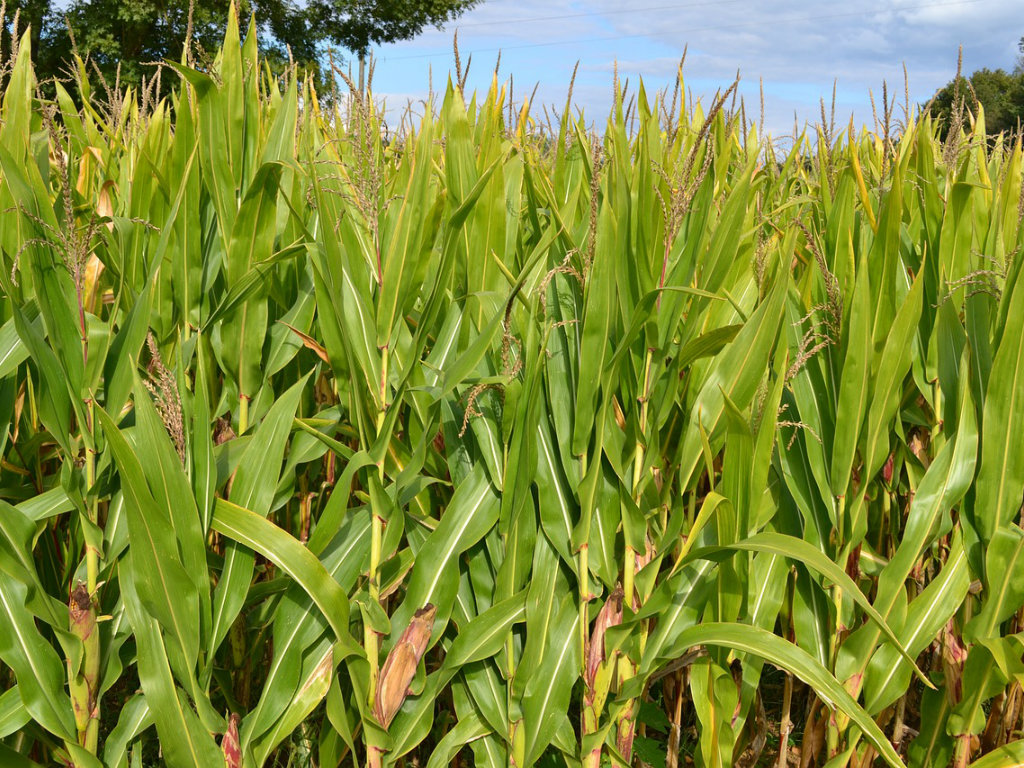
<p>The amount of corn used for ethanol production has increased fourfold since 2000 from 600 million bushels to more than 2.4 billion bushels in 2006.</p>
<p>FACT: 16.5% Increase in average price of an acre of land in Iowa</p>
<p>In Iowa, the average price of an acre surged 16.5 percent to $4,313 for the year ending March 1, according to the Realtors Land Institute (RLI). The USDA reports Missouri farm values up more than 15 percent to $2,280 per acre. Even recreational land prices surged: 12 to 13 percent in Illinois, according to the Illinois Society of Farm Managers and Rural Appraisers. And the fuel propelling these increases? Government subsidies for corn ethanol.</p>
<p>The amount of corn used for ethanol production has soared fourfold since 2000 from 600 million bushels to more than 2.4 billion bushels in 2006 (more than 20 percent of the U.S. corn crop). According to the USDA, that number will increase more than 40 percent in 2007 when an estimated 3.4 billion bushels are used. In addition to keeping corn prices at near-record highs, this trend has led to a decrease in the number of acres planted in soybean and cotton, the conversion of Conservation Reserve Program acres back to cropland, and even farmers in nontraditional corn states converting crops to corn.</p>
<p>Broker Randy Hertz has been monitoring this price surge from the eye of the storm: rural Iowa. The president of Hertz Real Estate Services and the 2006 national president of the RLI, Hertz labels this phenomenon “ethanol euphoria.” He also offers some advice to those unfamiliar with the driving force behind these production numbers: “Never underestimate the ability of the American farmer to produce corn when the price is high.”</p>
<p>No related posts.</p>]]></content:encoded>
			<wfw:commentRss>http://www.landreport.com/2007/10/corn-drives-land-prices-higher-and-higher-2/feed/</wfw:commentRss>
		<slash:comments>0</slash:comments>
		</item>
	</channel>
</rss>